

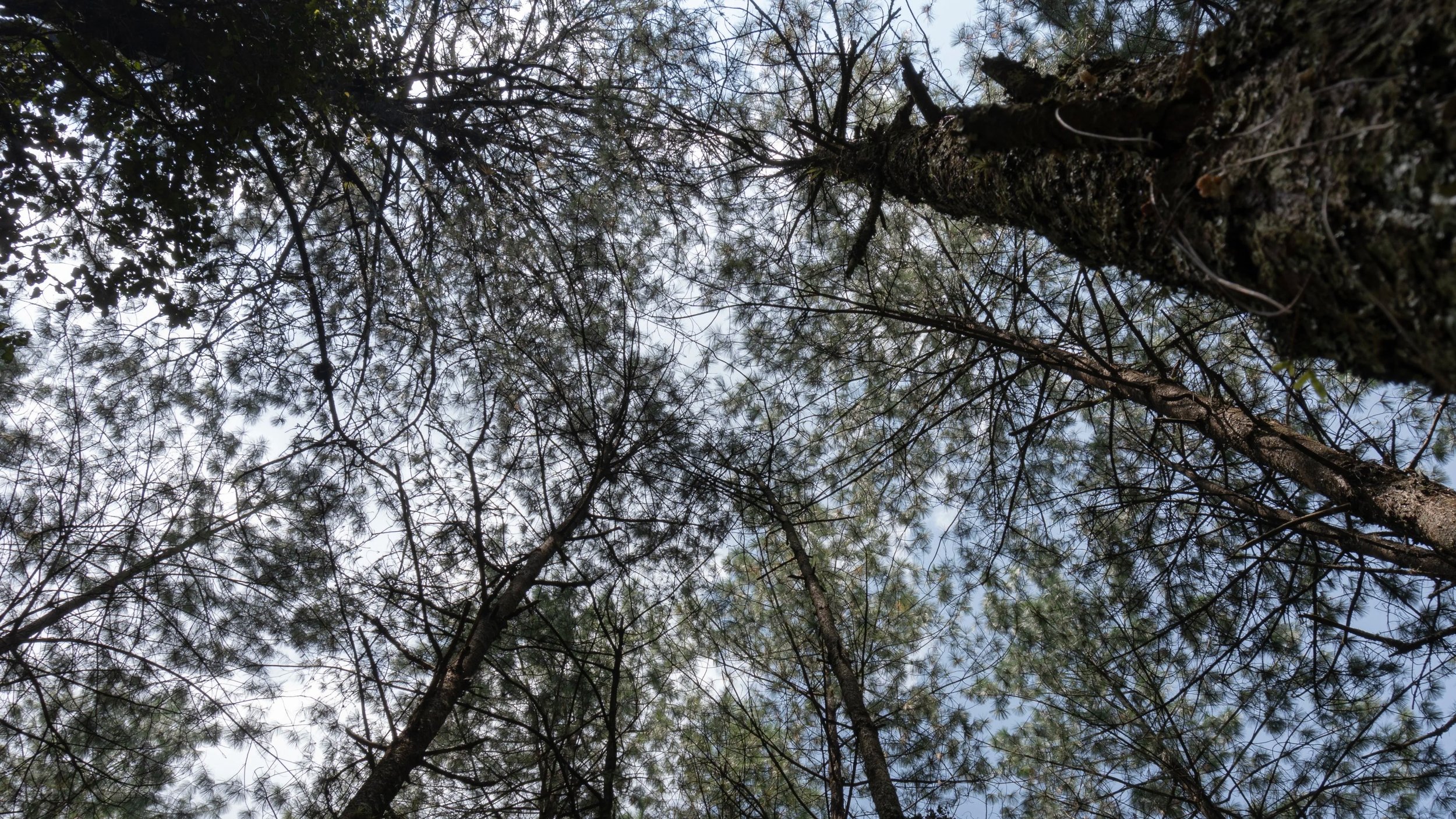
Taller Batán was born and works within a 400-hectare pine–oak forest in Donato Guerra, Estado de Mexico. Being a workshop inside the forest has shaped the way we understand materials and guides our daily practice.
This region is characterized by pine–oak forests that include centuries-old trees alongside native species such as cherry (Prunus serotina subsp. capuli), madrone (Arbutus xalapensis), alder (Alnus incana), and ash (Fraxinus uhdei). Over the past decades, their ecological balance has been affected by reforestation programs that, although well-intentioned, introduced non-native species and dense plantations. About fifty years ago, white cedar (Cupressus lusitanica), a species not native to the area, was planted extensively. These trees compete with native vegetation and alter the natural dynamics of the forests.
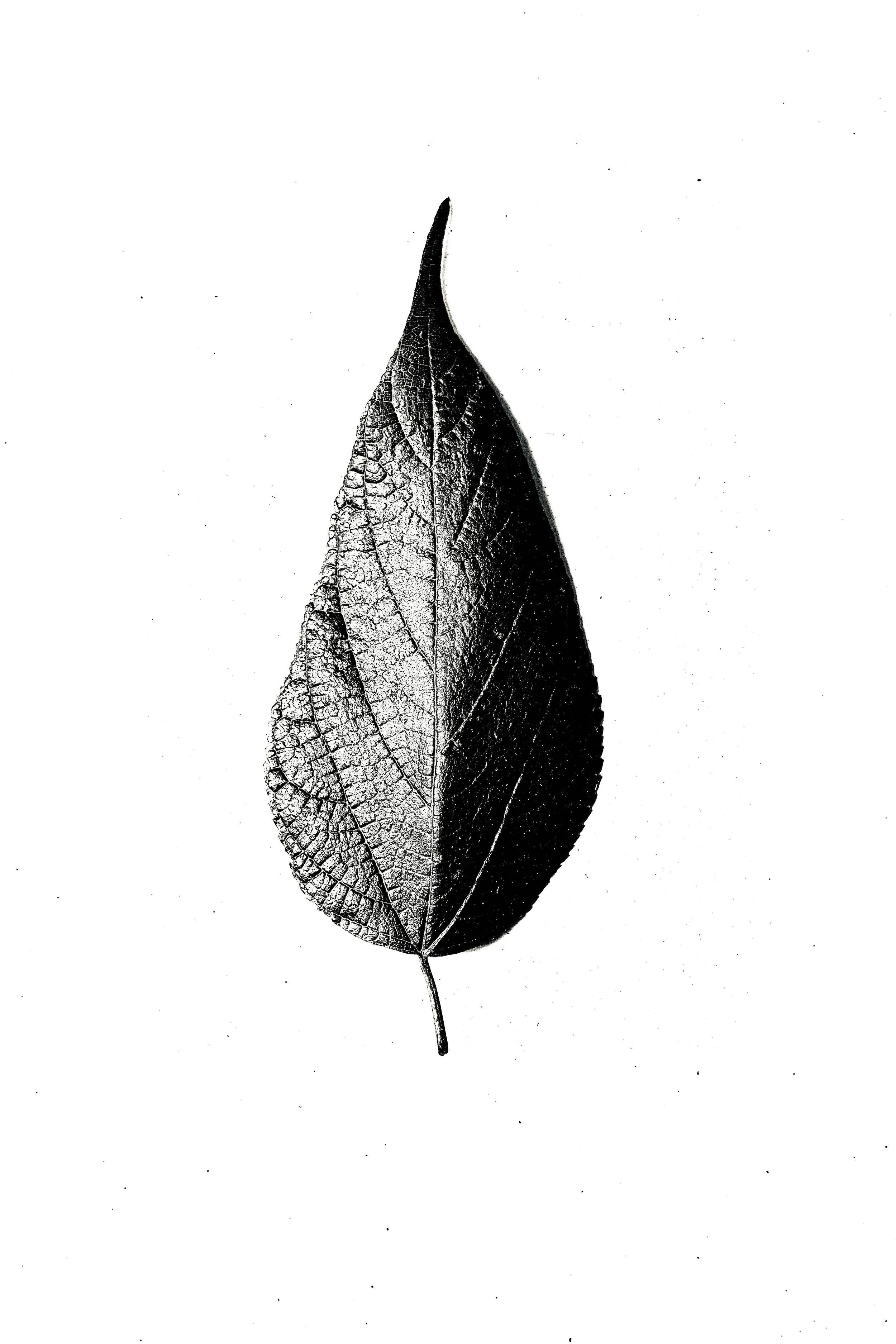
Morus rubra
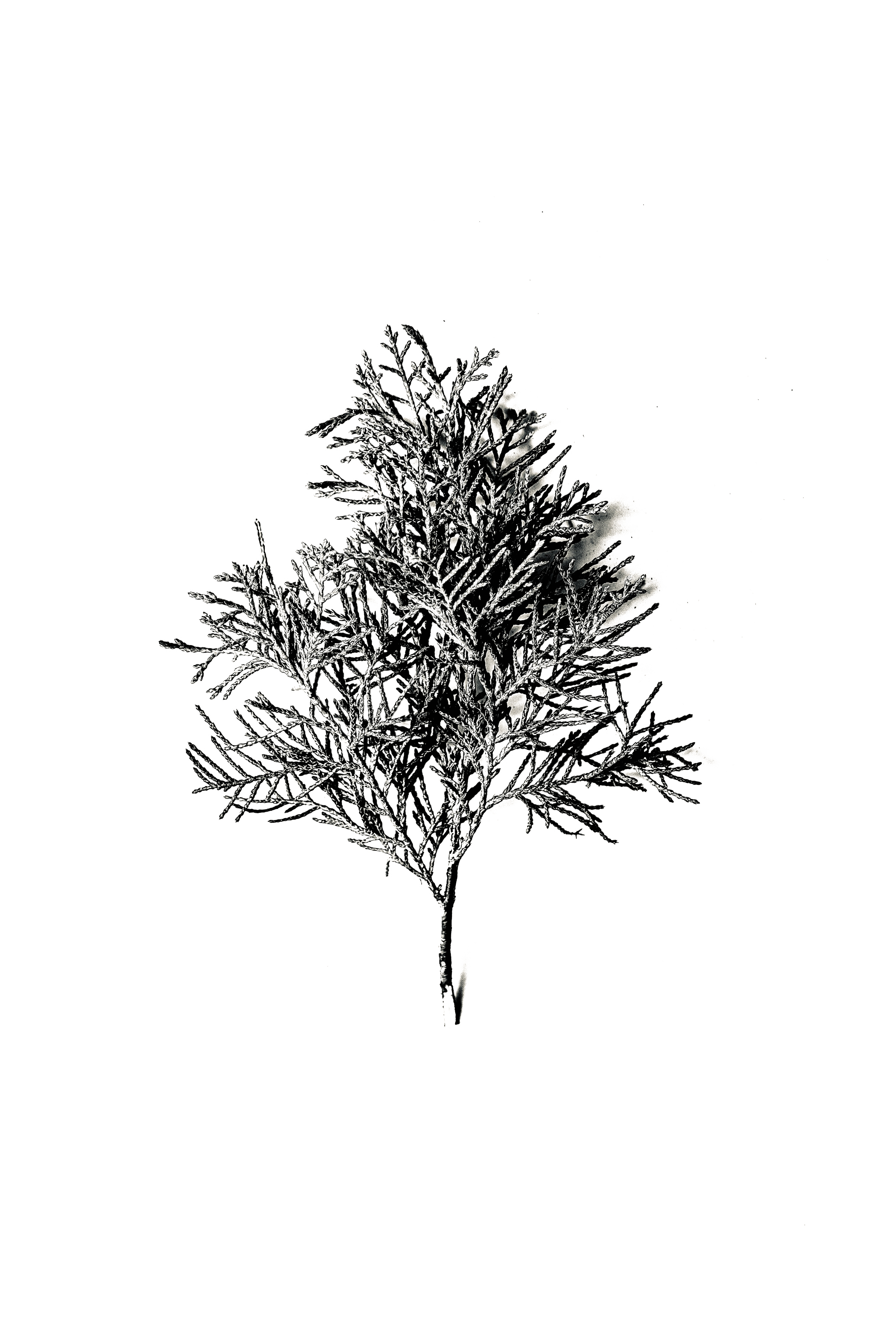
Cupressus lusitanica
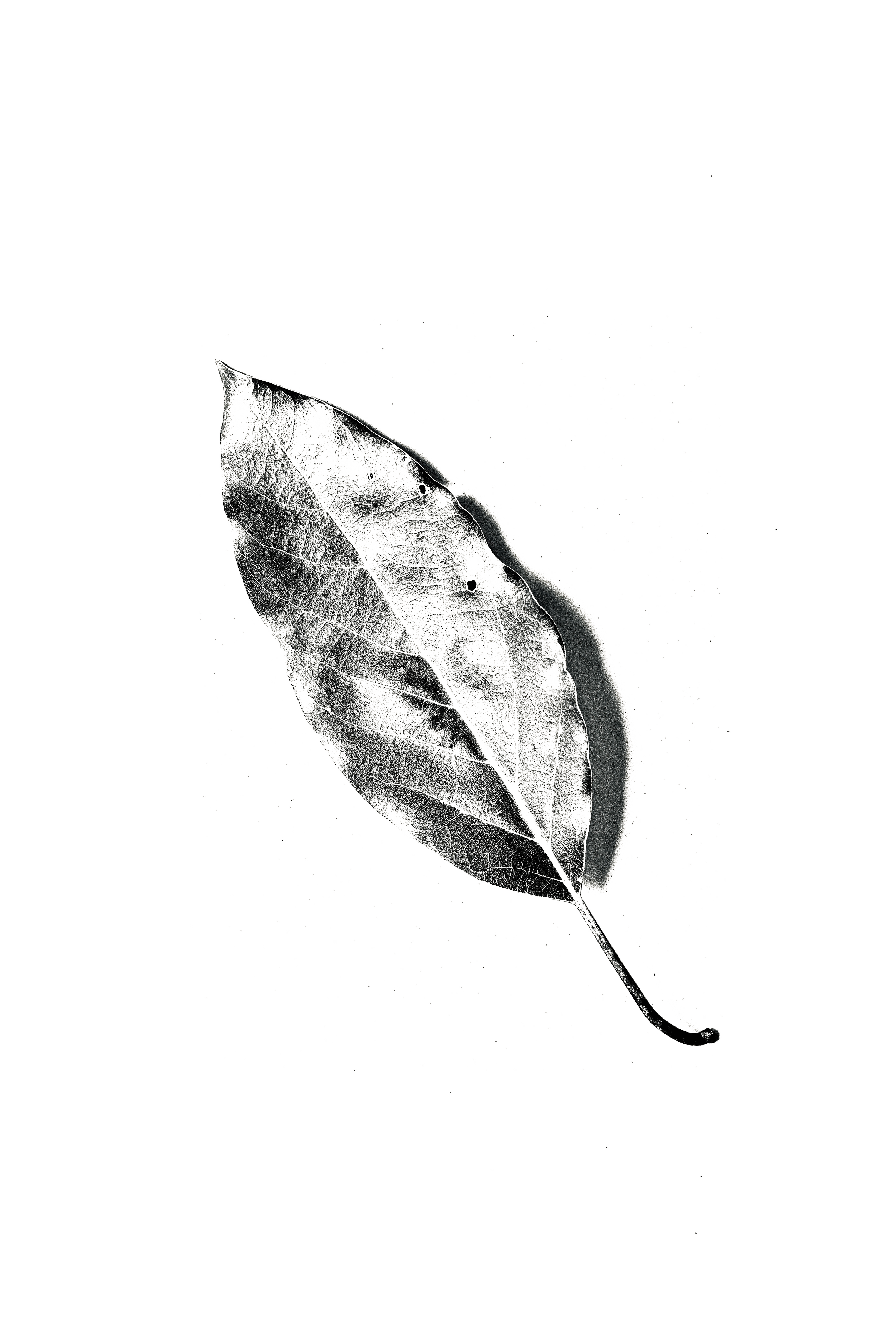
Persea americana
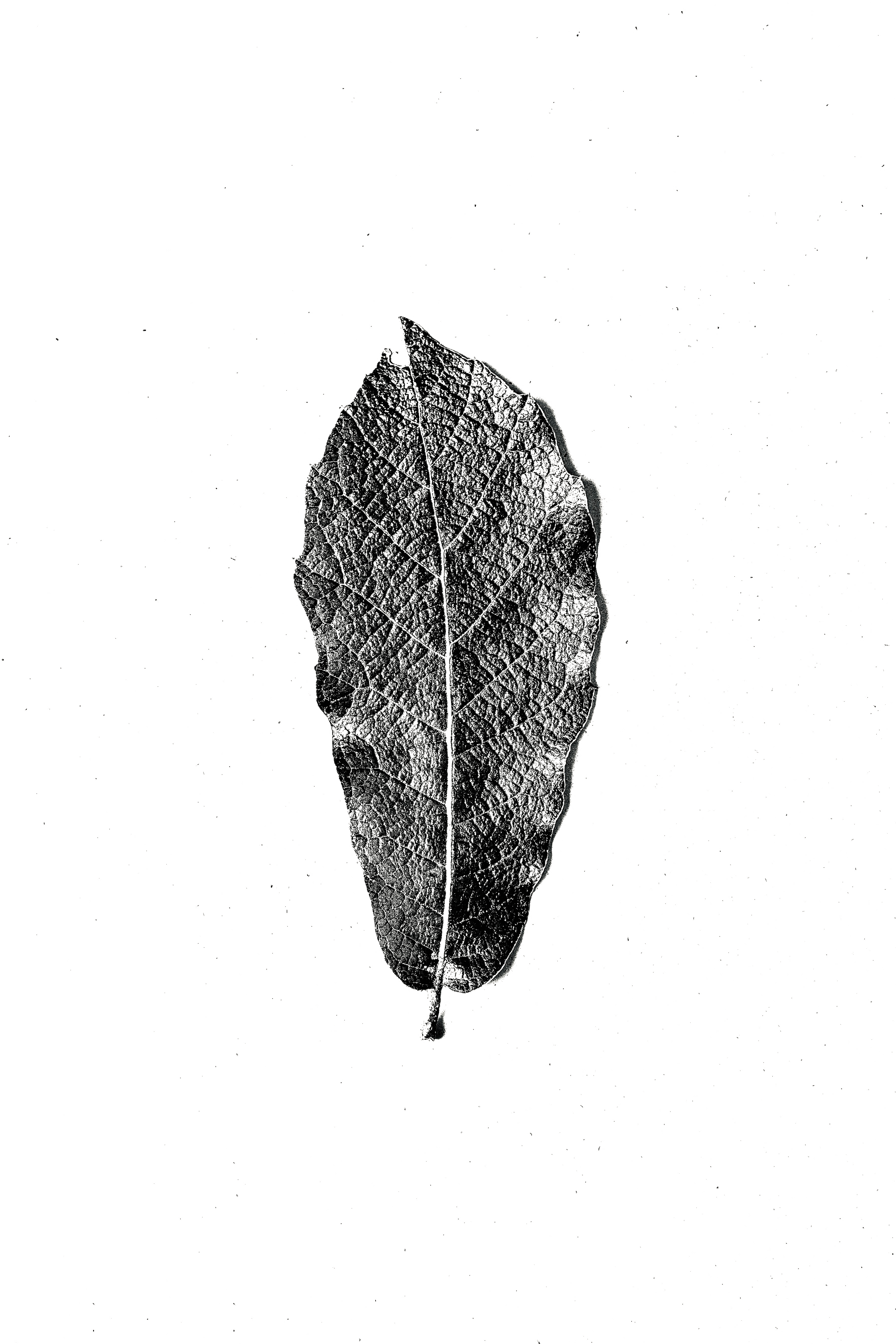
Quercus rugosa
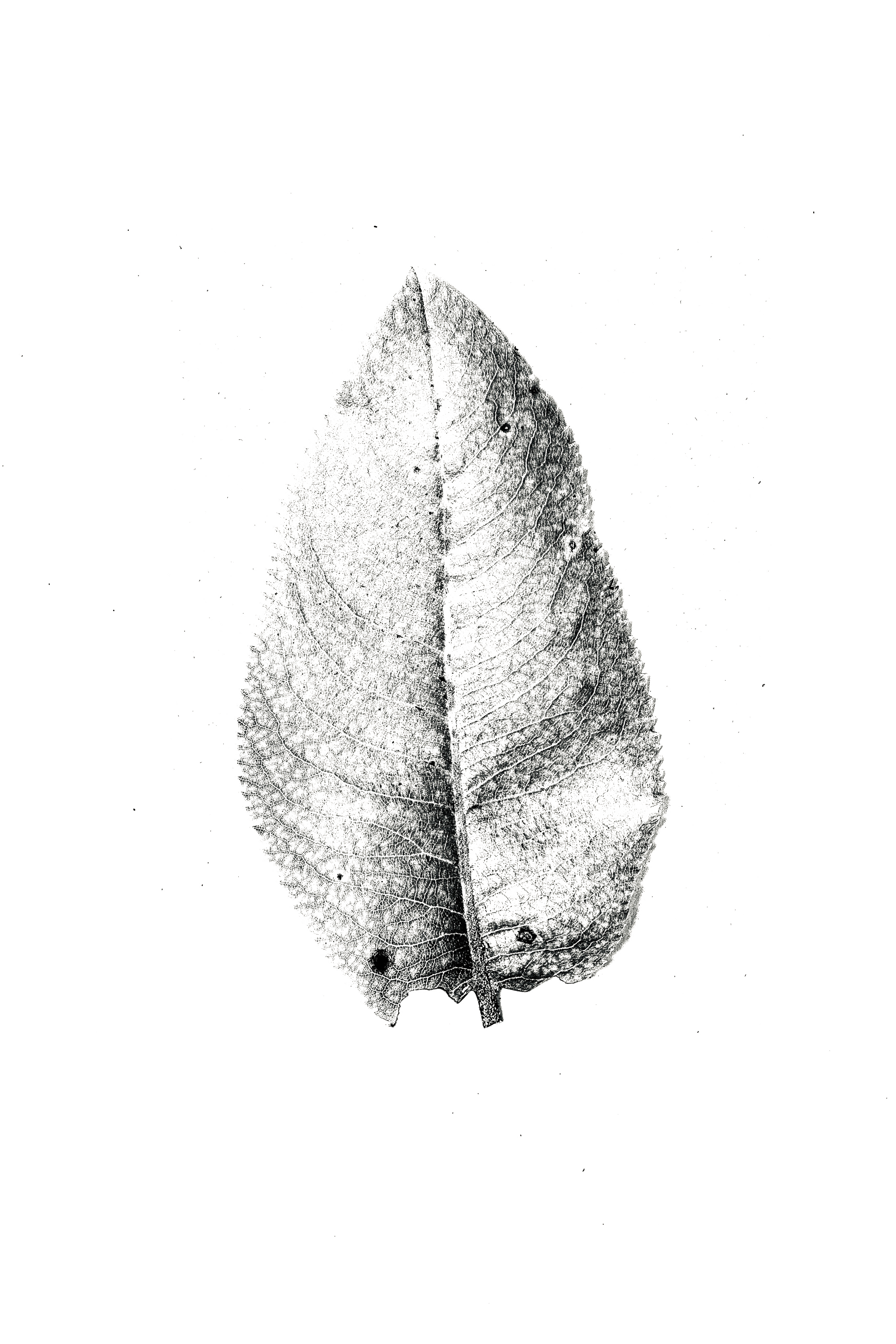
Arbutus xalapensis
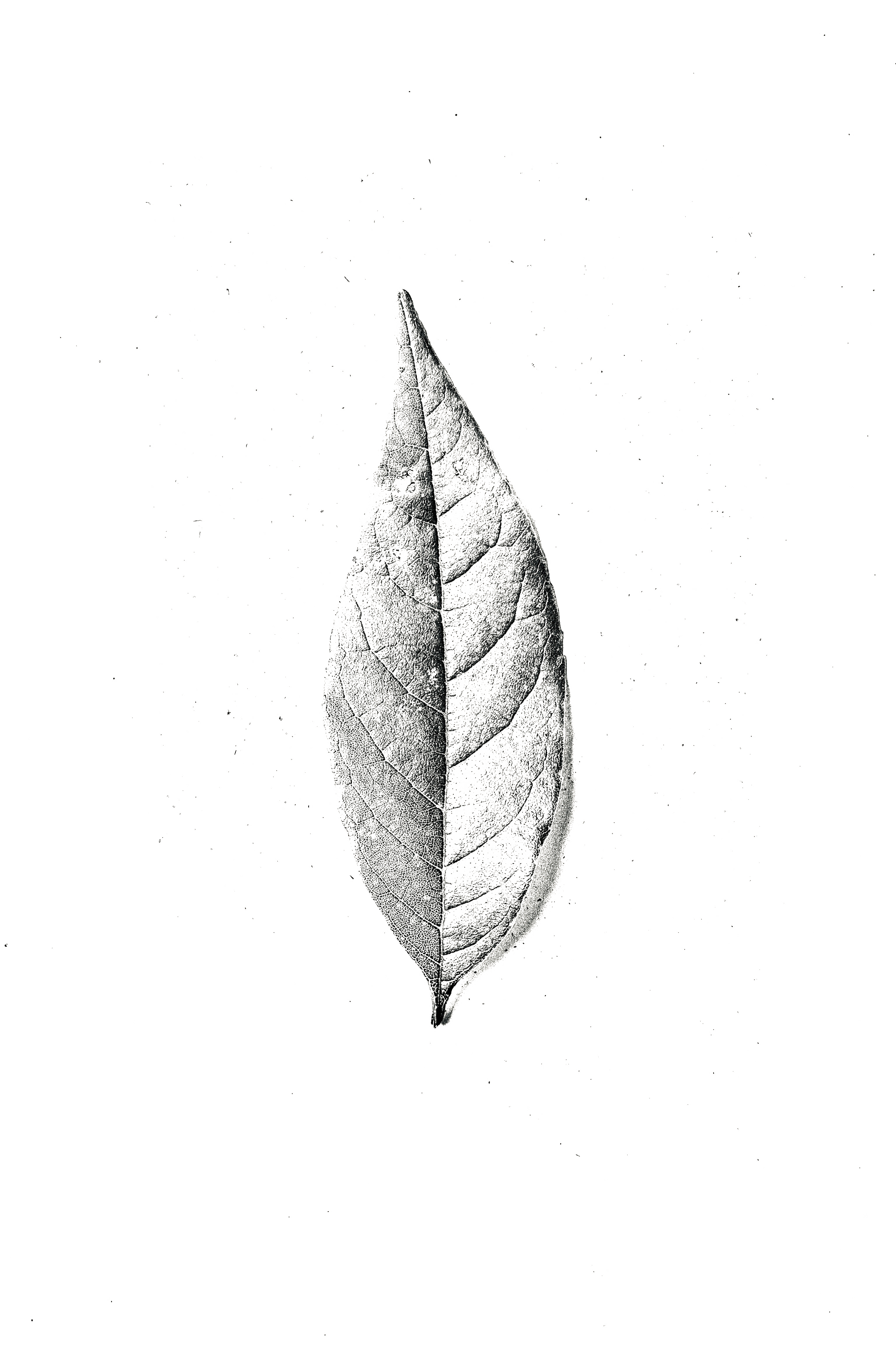
Fraxinus uhdei
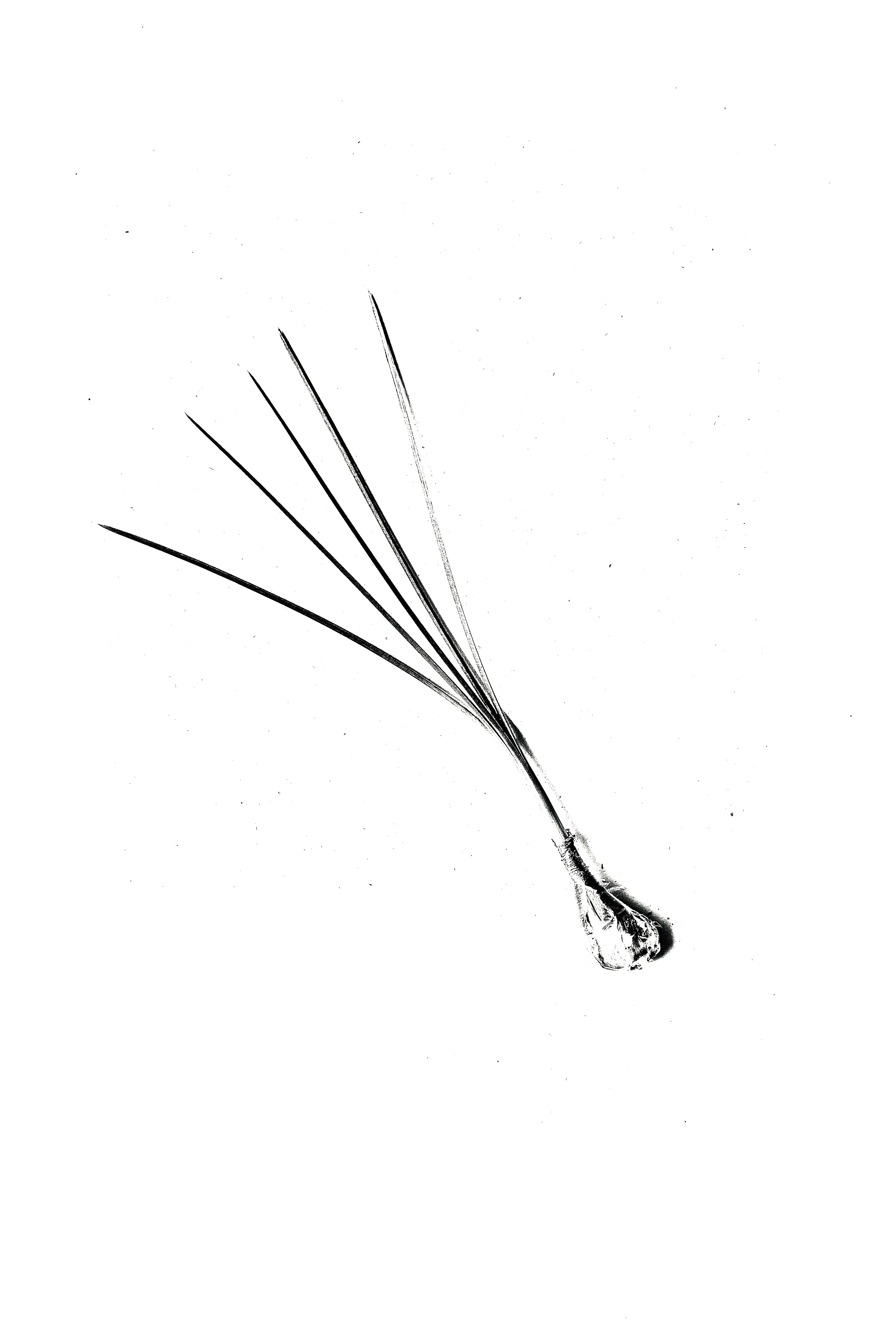
Pinus patula
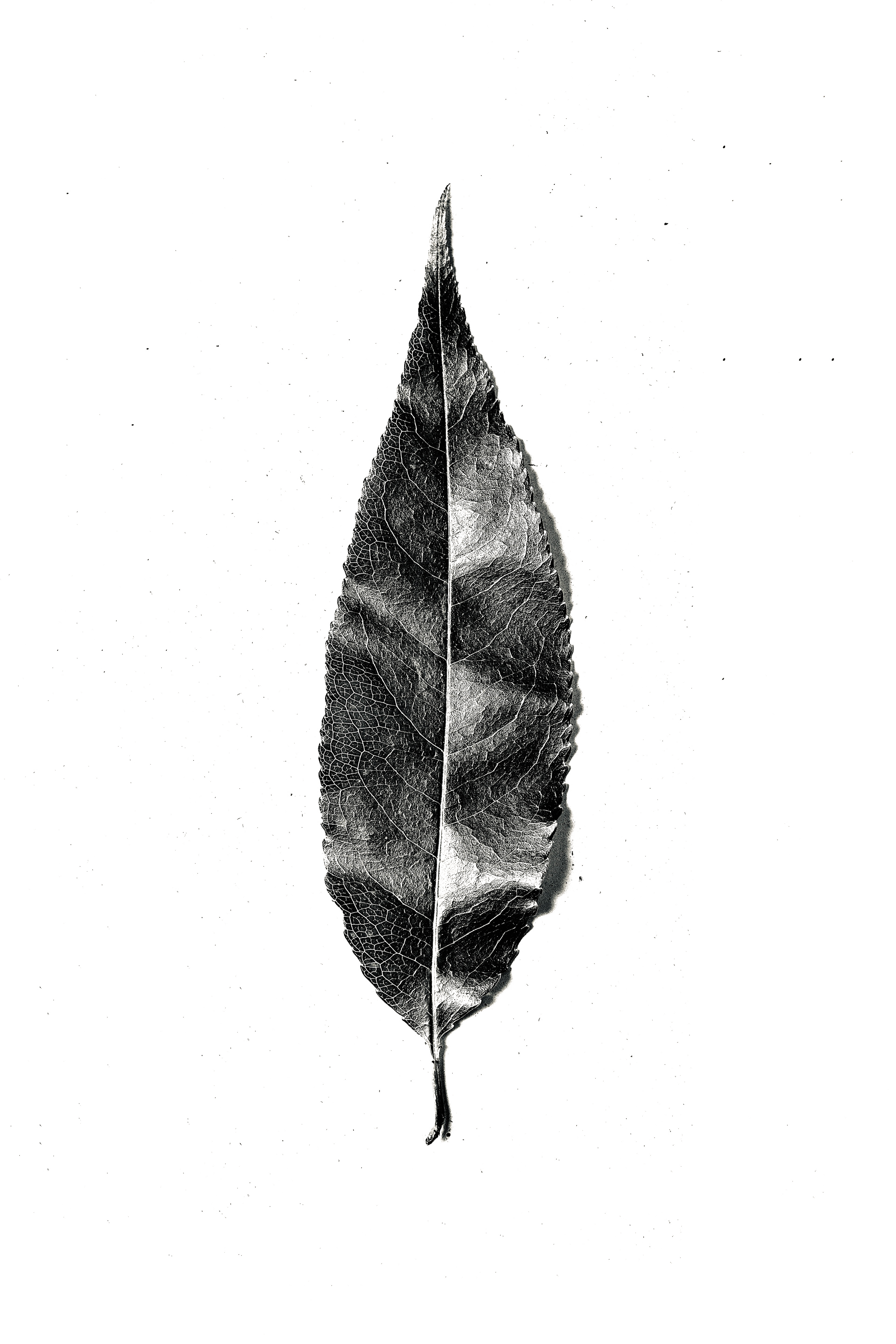
Prunus serotina
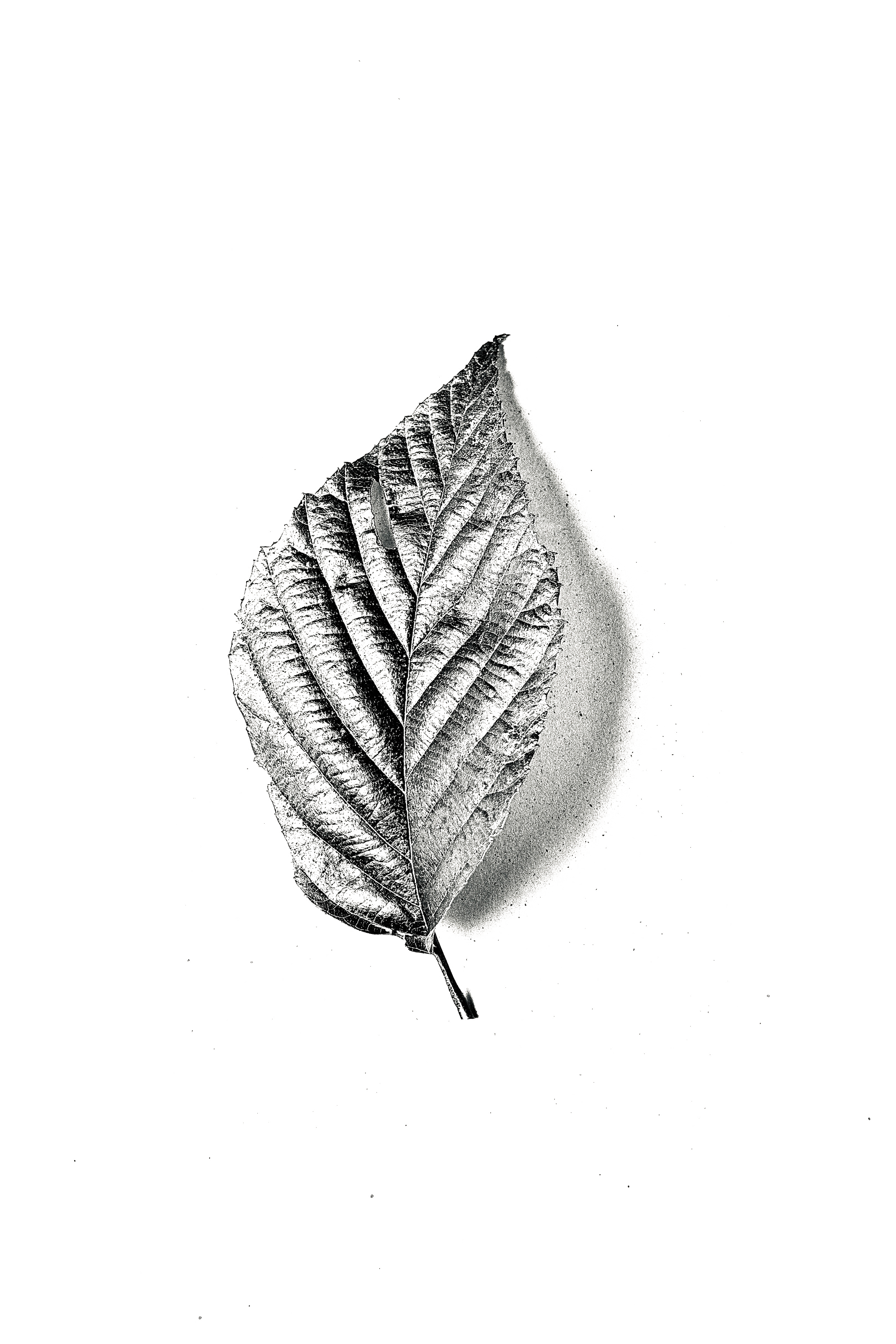
Alnus incana
Our restoration work involves selectively removing non-native white cedar. We also recover trees that have fallen naturally due to age, drought, storms, or other causes. Instead of being discarded, this wood is transformed in our workshop into sculptural furniture and functional objects. This practice extends the life of the material, keeps carbon stored for longer, and reduces the need to cut down living, healthy trees.
These actions create space and conditions for native species to reestablish. We have observed how cherry, madrone, ash, and mulberry are returning, and how old oaks and pines show signs of improved health. In this way, the forest is regaining resilience and diversity.
Our approach is straightforward: restore forest balance by removing non-native trees, make use of fallen wood, and transform these materials into long-lasting objects. Taller Batán is a workshop that exists inside the forest, and every piece we make is directly connected to its recovery.
From this forest comes the material we work with every day. Each species carries its own history, its own qualities, and together they define our practice.